
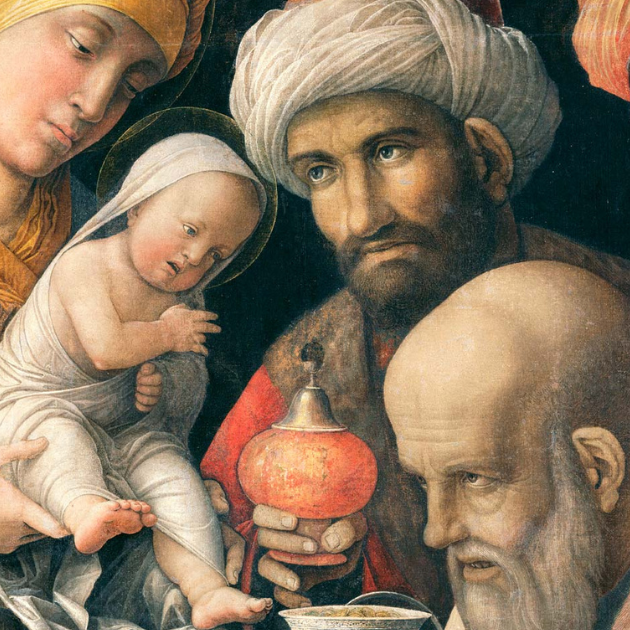
Highlights: Epiphany in Italy, La Befana traditions, Adoration of the Magi, Renaissance art in Florence, and timeless Italian holidays come together in this journey through faith, folklore, and masterpieces you can still experience today.
Following the Star: Art, Faith, and Timeless Traditions
The 6th of January is another important holiday in Italy, one that often surprises visitors who think the festivities end after New Year’s Day. Instead, Italians celebrate L’Epifania, the Epiphany, a holiday rich in religious meaning, folklore, and extraordinary art.
For those of us who love Italy not just for its beauty, but for its layers of history and tradition, Epiphany is a perfect example of how faith, daily life, and art have always been deeply intertwined here
What Is the Epiphany?
The Epiphany celebrates the manifestation of God the Son in human form, seen in Jesus Christ. Traditionally, this moment is represented by the arrival of the Magi, also known as the Three Kings, who followed a star to Bethlehem to honor the newborn Christ and offer gifts.The Gospel of Matthew (2:11) describes the Magi presenting gold, frankincense, and myrrh, gifts that carried deep symbolic meaning even in ancient times.
La Befana: Italy’s Beloved Holiday Witch
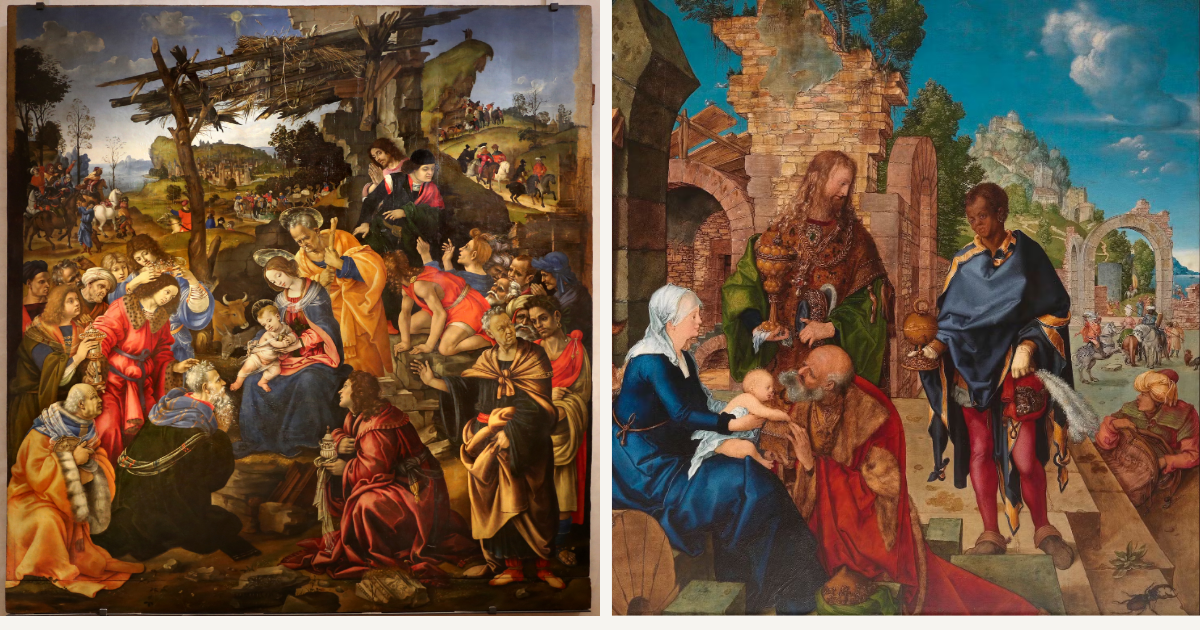
Before Babbo Natale became part of Italian holiday traditions, January 6th was the true day of gift giving. On the night of the Epiphany, Italians have long awaited the arrival of La Befana, the kindly old witch who, according to folklore, flies through the night sky on her broom to deliver stockings to children.
These stockings are traditionally filled with sweets, dried fruit, and seasonal treats such as oranges or mandarins. Well-behaved children receive small gifts, while those who may have tested their parents’ patience find a bit of coal inside, usually sweet coal made of sugar. In the past, practical items like potatoes or garlic were also included, a gentle reminder to do better next year. Today, the tradition has happily expanded, and children, sometimes well into adulthood, may receive multiple Befana stockings left at the homes of grandparents, aunts, and uncles. All of them magically make their way back to the child.
Although La Befana belongs more to folklore than to religion, she is deeply loved throughout Italy. Many towns celebrate her with local festivals, markets, and costumed parades, creating a warm, family-centered atmosphere that feels authentic and wonderfully Italian. Like Santa Claus, La Befana is often left a small treat. Oranges were common, and in true Befana fashion, she would eat them and leave the peels scattered across the floor. A playful detail that always delighted children.
In a Bi-cultural Family, the Befana was a Winner
This tradition holds special meaning for me as well. My son adored celebrating the arrival of La Befana when he was young. For him, it felt like a second Christmas. His grandmother made sure La Befana stopped at her house too, and his aunt never missed the occasion. Some years, he ended up with three or four stockings from different relatives. I still remember one year when an entire stocking was dedicated to the Fiorentina soccer team. These stockings were always filled with sweets and often included a small gift, perhaps collectible cards or a book.
Our family continues this tradition today. We still prepare a Befana stocking each year, followed by a long homemade lunch or brunch. It is a simple but meaningful way to stay connected to Italian culture.
Why Renaissance Artists Loved the Adoration of the Magi
A Perfect Subject for Art and Ambition
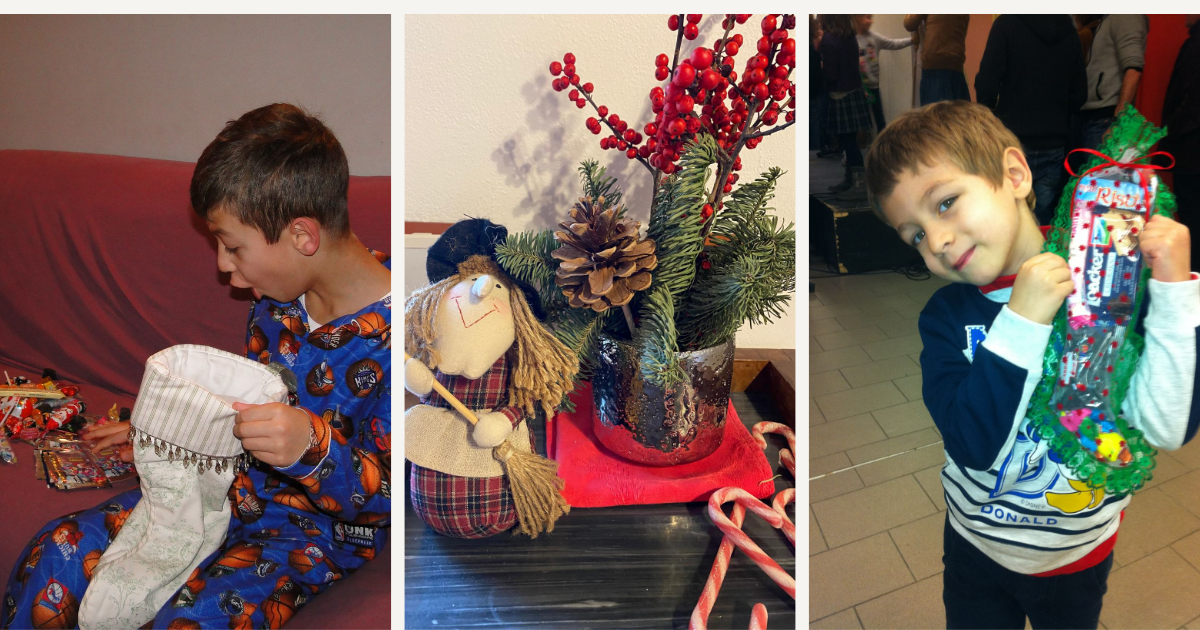
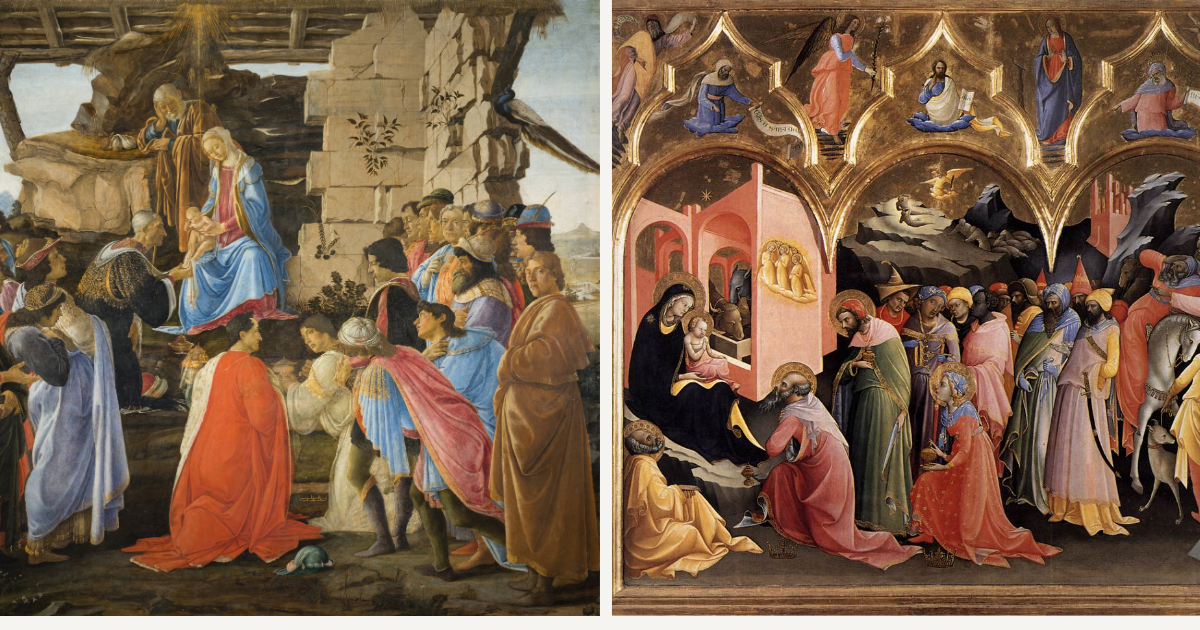
The Adoration of the Magi became one of the most popular subjects in Renaissance art, especially in Florence. On the surface, it depicts the birth of Jesus and the visit of the Magi. But for artists and patrons alike, it offered much more.
This subject allowed artists to demonstrate their technical mastery by portraying:
- Large, complex processions
- Richly detailed fabrics and jewelry
- Horses, camels, and exotic animals
- Crowds filled with movement and emotion
At the same time, wealthy merchants often commissioned these works and included themselves in the paintings. In Renaissance Florence, successful merchants sometimes viewed themselves as modern-day kings, and this was a socially acceptable way to show status, devotion, and wealth all at once.
Who Were the Magi, Really?
Kings, Magicians, or Astrologers?
Interestingly, the original Greek word used in the Bible is “magi”, which is also the root of the word magician. Historically, they were more likely astrologers or wise men, rather than kings.
There is no concrete evidence that there were exactly three Magi. That tradition likely developed later, influenced by the three gifts mentioned in scripture.Their legendary names, Balthasar, Melchior, and Caspar, come from medieval storytelling. According to legend, they represented the three known continents of the time: Asia, Africa, and Europe. This is why one of the Magi is often depicted with dark skin, a powerful symbol of universality and inclusion long before those concepts were widely discussed.
Masterpieces of the Adoration of the Magi at the Uffizi
Paintings You Can See With Us
If you join us on a tour of the Uffizi Gallery, you can personally experience some of the most extraordinary interpretations of the Adoration of the Magi ever created. Among them:
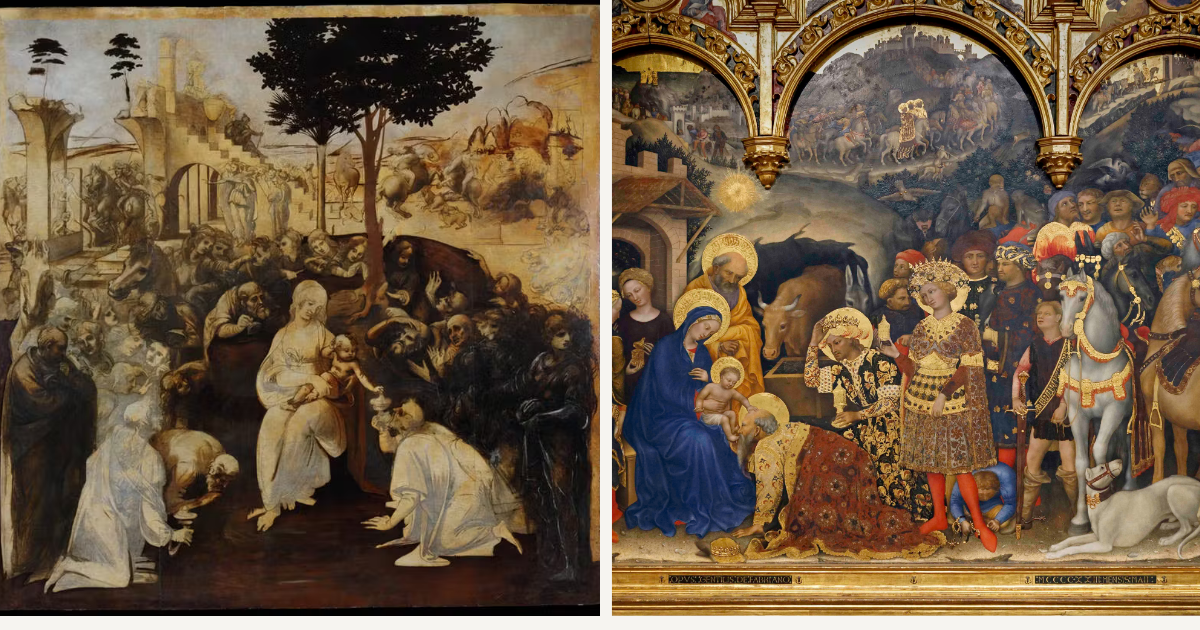
- Gentile da Fabriano, Adoration of the Magi, 1423, Tempera on panel
- Lorenzo Monaco, Adoration of the Magi, 1420–1422, Tempera on panel
- Sandro Botticelli, Adoration of the Magi, c. 1475–1476, Tempera on panel
- Leonardo da Vinci, Adoration of the Magi, 1481, Oil on wood (unfinished, yet fascinating)
- Filippino Lippi, Adoration of the Magi, 1496, Tempera on panel
- Albrecht Dürer, Adoration of the Magi, 1504, Oil on wood
- Andrea Mantegna, Adoration of the Magi, 1462, Tempera on panel
And these are just a selection. There are more treasures waiting to be discovered.
A Living Tradition for Travelers Today
Epiphany reminds us that Italy is not a museum frozen in time. These traditions are still lived, celebrated, and felt. Whether you are a past guest remembering your journey or a future traveler planning your first visit, moments like these are what make Italy endlessly rewarding.
I hope this glimpse into Epiphany, art, and Italian culture helps you feel a little closer to Italy, wherever you are today
